
A Peek Inside a Wedding Budget Checklist Built for a $300k Wedding
May 20, 2026
Most wedding budget checklists were built for a different couple than you. You’ve Googled it. You’ve downloaded the free spreadsheets. And every single one is structured around a $30k–$50k wedding. Percentage breakdowns that fall apart the moment your floral install alone costs more than some couples’ entire budgets. If you’re planning a high-investment wedding, you need a wedding budget checklist that actually reflects your reality.
I’m Syd, a full-service wedding planner and designer based in Austin, Texas. At In Ink Weddings, I work with couples investing $2,000 or more per guest. Couples who care deeply about the experience they’re creating, not just how it looks (though if you’re working with me, it’ll be elevated and unmistakably you). I’ve sat inside the numbers on weddings at this scale. I know which line items get underestimated, where money disappears faster than you’d expect, and which investments are actually going to shape how the night feels.
This is a breakdown of where the money actually goes in a $300k wedding, honest guidance on where to invest versus where to right-size, and a look at the costs that catch couples completely off guard. By the end, you’ll have a much clearer picture of what a $300k wedding budget checklist actually looks like.
Why Most Wedding Budget Checklists Weren’t Built for Your Wedding
You’ve probably already noticed: most advice online doesn’t apply to you.
The wedding industry builds its budgeting resources for the median. And you are not the median. When you’re planning at $300k, the category breakdowns that work for a $45k wedding don’t translate. Florals aren’t a line item; they’re how you curate the environment. Entertainment isn’t a cost to minimize; it’s what keeps your guests on the dance floor until midnight. The entire architecture of your wedding budget checklist is different, and advice designed for a smaller scale will steer you wrong.
Here’s what I see happen: couples with this budget download generic guides, apply the percentages, and end up with numbers that either dramatically underfund key vendors or create gaps between what they imagined and what’s actually achievable. The most common wedding budget mistakes I see start with planning tools that nobody designed for the wedding actually being planned.
With your budget, you need a framework that accounts for the complexity of your guest experience, the quality of vendors operating in this tier, and the layers of design that make a wedding feel immersive. Generic percentage math won’t get you there. So, let’s talk about the biggest line items on your wedding budget checklist.
The Biggest Line Items at a $300k Wedding
Once you have a framework built for your scale, the next step is understanding where the money actually goes.
Venue + Catering: $120,000–$135,000 (40–45%)
This is almost always the largest single category. Expect per-head catering costs of $400–$600+ depending on your menu design, bar program, and staffing needs.
Venue rental fees vary widely. Austin properties range from $8k to $30k+ depending on the space and season.
Florals + Design: $45,000–$60,000 (15–20%)
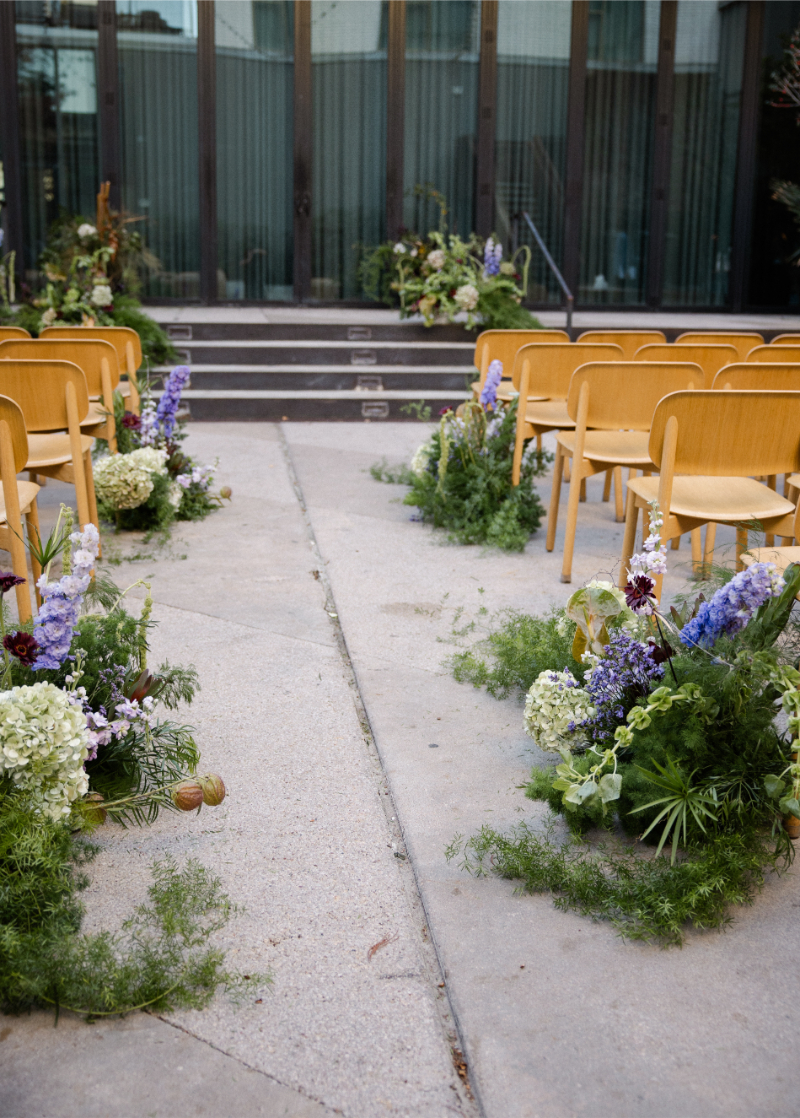
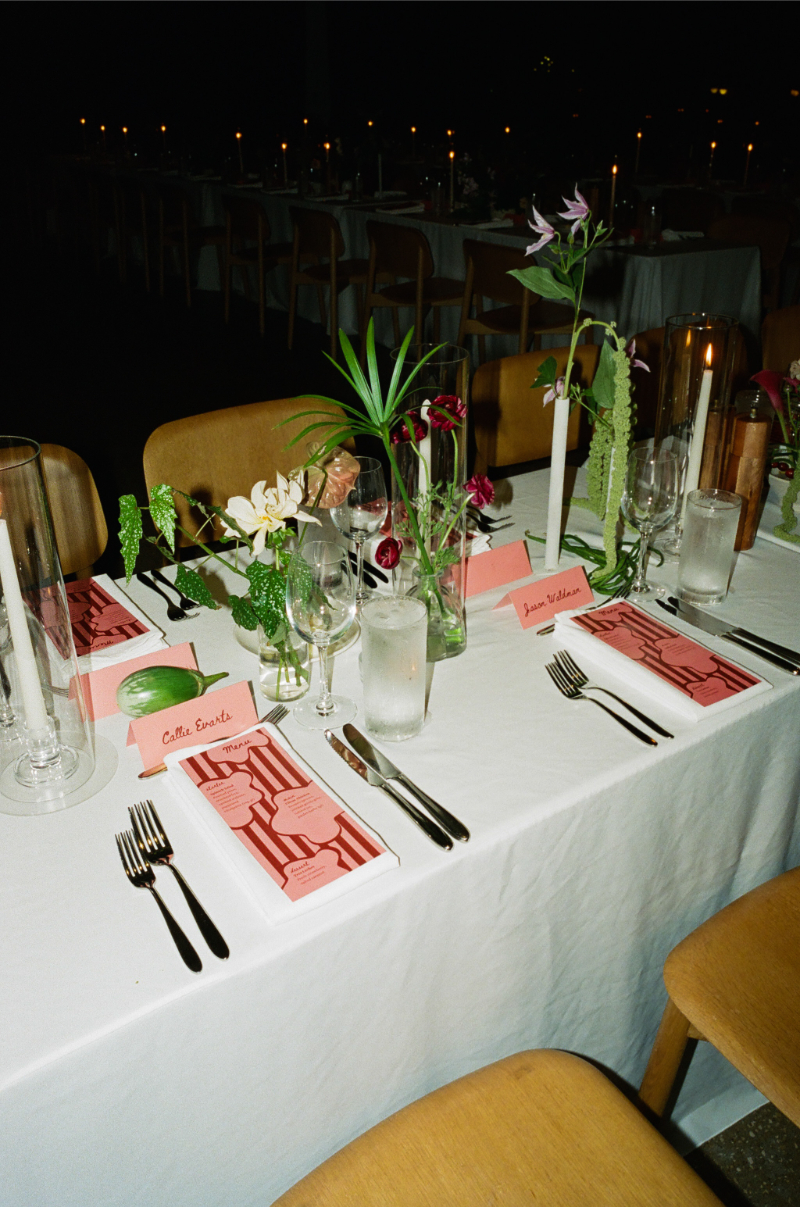
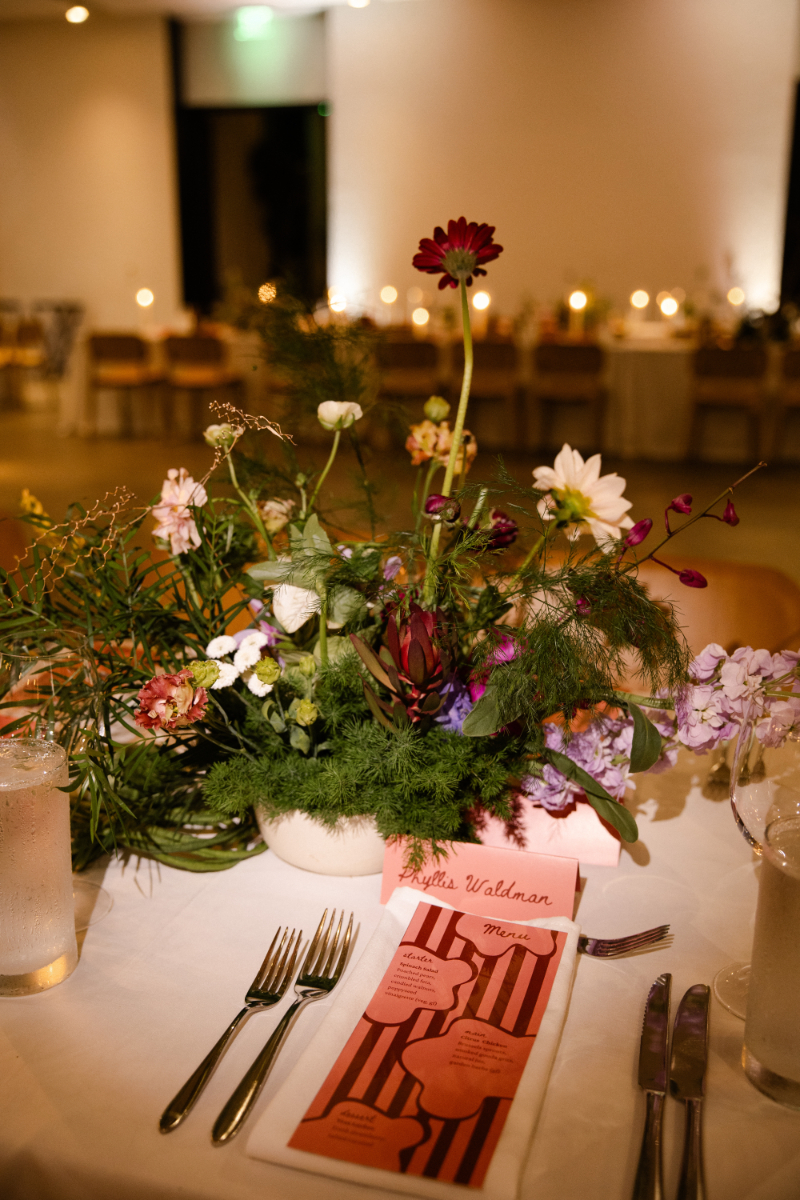
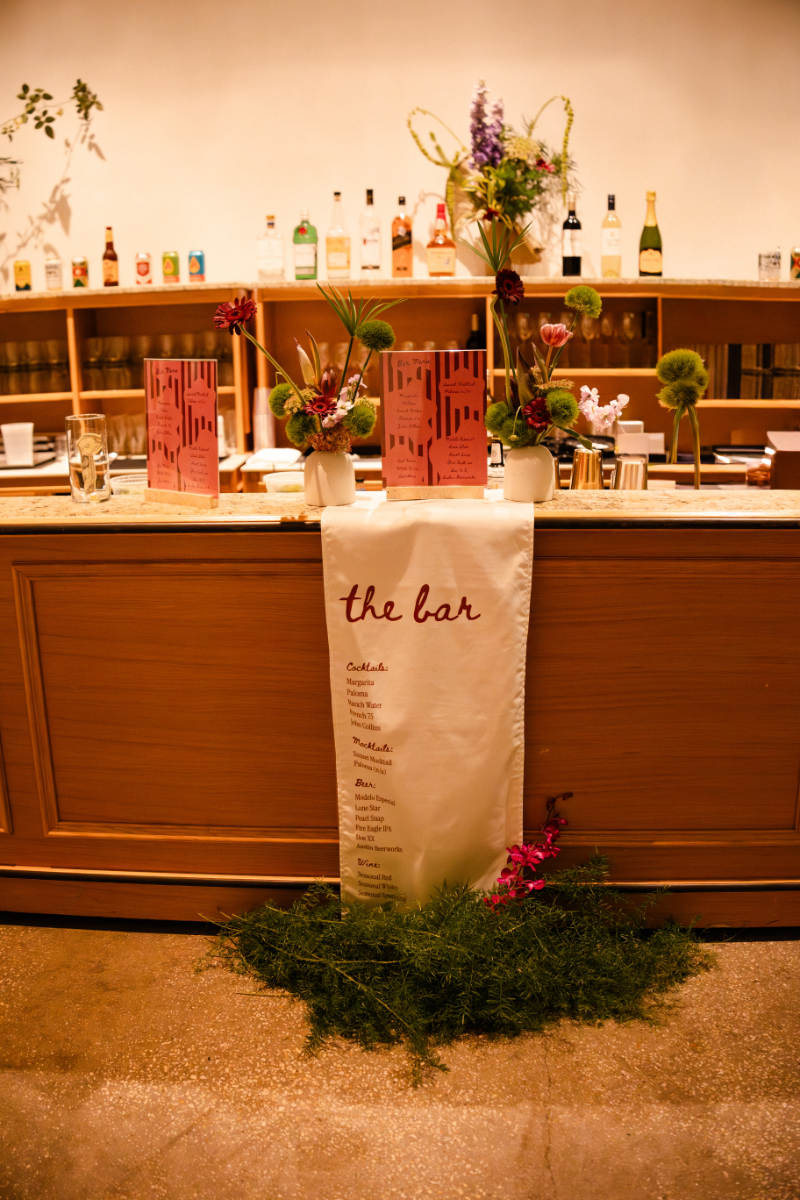
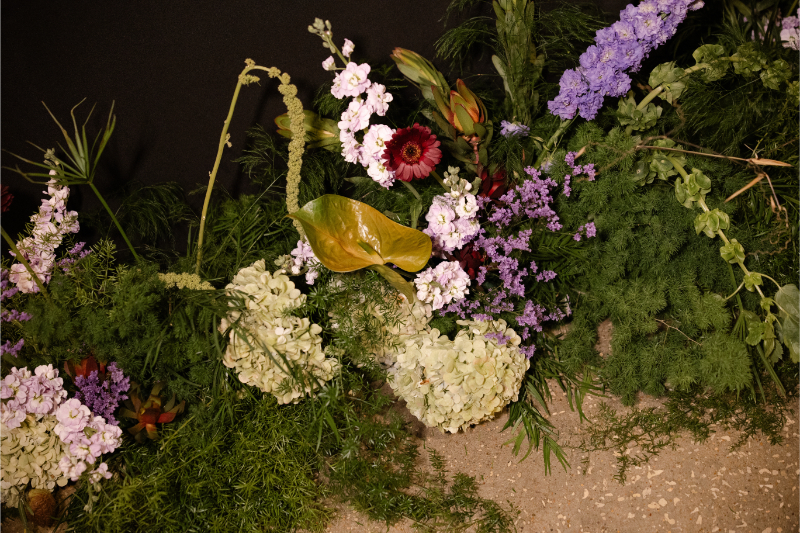
This is where we build the environment. Not just centerpieces. We’re talking installation days, custom structures, ceremony backdrops, and design elements that transform a room from a pretty space into something guests walk into and feel.
Photography + Videography: $24,000–$36,000 (8–12%)
At this investment level, you want photographers who know how to shoot in complex lighting, capture a large room, and deliver work that holds up for decades.
Entertainment: $24,000–$30,000 (8–10%)
Live band, DJ, additional performers. These are investments that control the energy of your reception from beginning to end. Don’t underestimate it.
Planning + Design Services: $30,000–$45,000 (10–15%)
Full-service planning includes creative direction, vendor management, contract review, timeline creation, budget stewardship, and full day-of execution across what is typically a multi-day experience.
Stationery, Signage, Welcome Gifts: $9,000–$15,000 (3–5%)
Transportation, Hair + Makeup, Officiant, Misc: Remaining budget
A wedding budget checklist is a starting point, not a rulebook. Your guest count, venue type, creative vision, and what actually matters to you will shift every number. But I hope this gives you a realistic baseline that actually fits your caliber of wedding.
The Vendors Worth Splurging On (And Where You Can Right-Size)
Not all line items carry equal weight when it comes to how a wedding actually feels.
After years of working at this investment level, I’m clear on where to protect your budget and where spending more doesn’t move the needle.
Never compromise on:
- Florals and design. This is your atmosphere. When the environment is breathtaking and undeniably you, guests feel it the moment they walk through the door. When this piece is underfunded, nothing else fully compensates.
- Photography. You will not get a second chance at these images. A photographer who reads a room, manages low light, and captures candid emotion alongside the formal moments is irreplaceable.
- Entertainment. A great band doesn’t just play songs. They read the crowd, build energy, and keep people present. That’s not a performance. That’s the heartbeat of your reception.
Where you can right-size:
- Invitation suites. At a certain point, more elaborate doesn’t mean more memorable. Your guests will admire the paper and set it aside. You don’t need $15k in stationery to make a strong first impression.
- Favor budgets. Couples frequently over-invest here. A well-chosen favor is a lovely touch. An excessive one rarely changes how guests experience the weekend.
And if you want someone who can tailor this to the specific day you’re building, do not compromise on the planner you hire. The wedding planning experience itself is a place to invest thoughtfully. Cutting corners on the person responsible for everything else is where couples end up with regrets.
The Hidden Costs Most Couples Don’t Plan For
The line items on a budget are rarely the whole story. It’s what lives between them that catches couples off guard.
Here are the costs that tend to show up at the end and feel like ambushes if you’re not ready:
- Gratuities. Budget $5,000–$10,000+. Catering staff, your band, your photo team, your planning team. Gratuities are expected, and they matter to the people who showed up and gave everything.
- Vendor meals. Most vendor contracts require a meal. At 15–20 vendors, that’s real money that you want to forget to account for early on.
- Overtime fees. If your reception runs long or vendors stay longer than contracted, overtime is billed by the hour. Venue, band, photographers, lighting crew. It compounds fast.
- Design installation fees. Most design installations don’t happen until the day-of the event. A large floral or environmental install carries crew costs, and your venue may charge for early-access days.
- Travel costs for destination or out-of-market vendors. Flying in a photographer? Bringing in a live artist from out of state? Factor in flights, hotel, and per diems. These add up quickly and often get missed.
- Rental return fees. Some rental companies charge for after-hours pickup or extended returns. Read every contract before you sign.
- Last-minute additions. In the final weeks, couples almost always add things. A custom neon sign. An extra cocktail hour station. Build a 5–8% contingency into your budget from the beginning, not as a backup plan, but as part of the plan.
Building these extras into your budget early saves you headaches down the road.
How a Full-Service Planner Protects Your Budget
When you’re spending $300,000, the planner fee isn’t the expensive part. It’s what prevents everything else from costing more than it should.
A planner who knows the market, has existing vendor relationships, and has reviewed hundreds of contracts has seen exactly where the money leaks. Planners catch overtime clauses before they’re signed. They know which vendors build flexibility into their agreements and which ones don’t. They flag the hidden costs before those costs become your problem.
At this investment level, the planning fee often pays for itself in what gets caught, negotiated, or avoided entirely. Full-service wedding planning isn’t just logistics management. It’s financial stewardship over a six-figure event, with someone who has the context and the relationships to advocate on your behalf at every stage.
For couples planning destination weddings or working with vendors across multiple cities, this is even more true. You’re navigating contracts, logistics, and creative teams you may have never met in person. Having someone in your corner who can manage the moving pieces (and call a vendor at 11pm if something goes sideways) is protection, not overhead.
A good planner doesn’t just help you spend your budget. They help you spend it well.
You Deserve a Budget Built for the Wedding You’re Actually Planning
Generic wedding budget advice was written for a generic wedding. Planning at $300k means you’re creating something layered, intentional, and deeply considered. A night that people feel, not just attend. Getting the budget right is how you protect that vision from the first vendor conversation.
If your investment is in this range and you’re looking for a planner who knows this landscape, and who approaches your wedding the same way you approach it (with real standards and real stakes), I’d love to hear about what you’re imagining. If this is your vibe, let’s talk.
And follow along on Instagram for a behind-the-scenes look at bringing $300k budget weddings to life.
