
Wedding Design Ideas That Actually Speak to Who You Are
April 16, 2026
Every couple collecting wedding design ideas hits the same wall eventually. The saved images pile up. The folders multiply. And somewhere around the third moodboard iteration, a creeping realization sets in: none of this feels like us. That’s not a taste problem. It’s a starting-point problem. Most wedding design advice begins with the aesthetics. The colors, the florals, the perfect tablescapes. But really, it should begin with something much simpler. How do you want your wedding to feel?
I’m Syd, the founder of In Ink Weddings, a full-service wedding planning and design studio based in Austin, TX, and destination led. I think about wedding design the way a creative director thinks about a brand: every visual decision should trace back to something true about the people at the center of it. The result is a wedding that doesn’t just look good, it feels specific. Unmistakably theirs. That’s what I build toward, every single time.
In this post, I’m sharing the design philosophy behind the work I do and how you can apply it to your own planning. This isn’t a list of trends. It’s a framework for thinking about wedding design ideas in a way that produces something personal, and how to carry that through every moment of your wedding weekend.
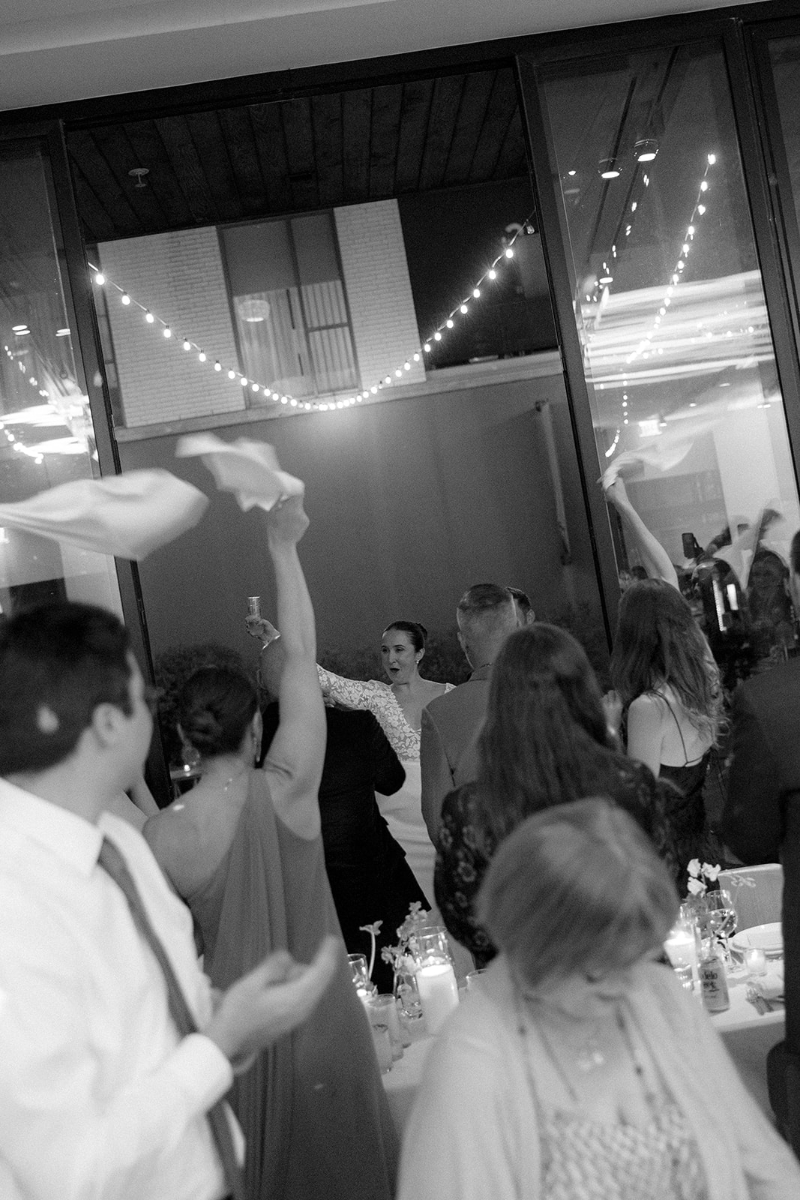
Why Most Wedding Design Ideas Miss the Point
The problem with most wedding design advice has nothing to do with the content. It’s in the order of operations.
Couples are handed a color palette before they’ve identified an intention. They’re asked about florals before they’ve thought about atmosphere. They spend months collecting images without ever stopping to ask: what’s the emotional experience I’m trying to create?
The result is a wedding that looks composed but feels hollow. Beautiful in photos. Forgettable in person.
Great wedding design starts with a question, not an image. What do you want guests to feel the moment they walk in? Not “wow, it’s pretty” — that’s the floor, not the ceiling. Do you want them to feel like they’ve stepped into your world? Like they’re at the best dinner party they’ve ever attended? Like something surprising and alive is happening?
The aesthetic follows the answer. Not the other way around.
This is the principle behind my messy luxury approach to wedding design, the idea that the best-designed weddings feel lived-in and specific, not staged. Elevated but human. The details are intentional, but the experience feels effortless.
Once you have the right question, the wedding design ideas that actually work start to surface naturally.
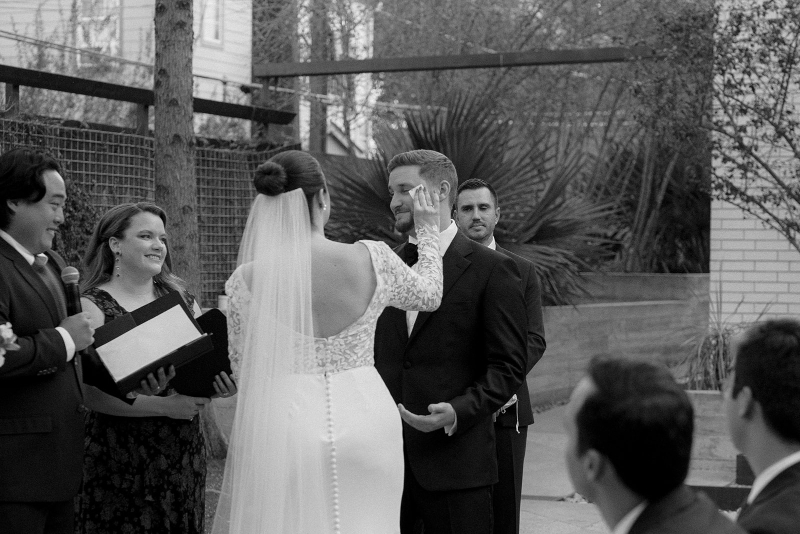
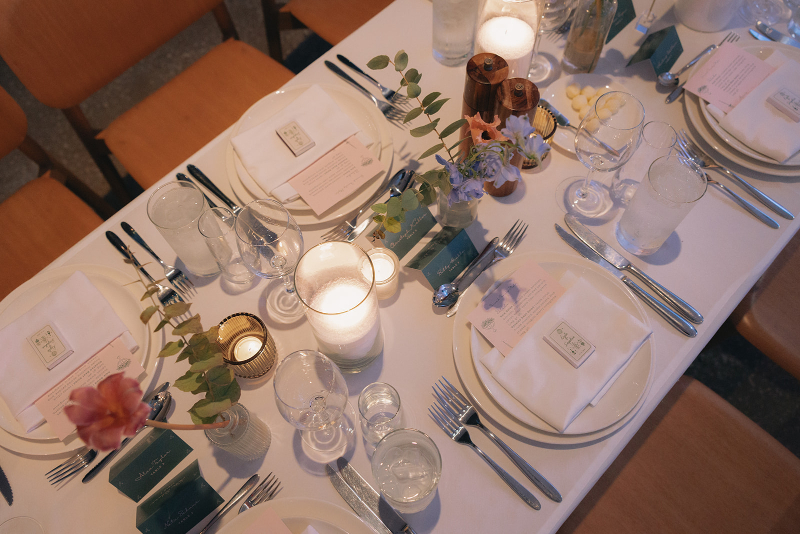
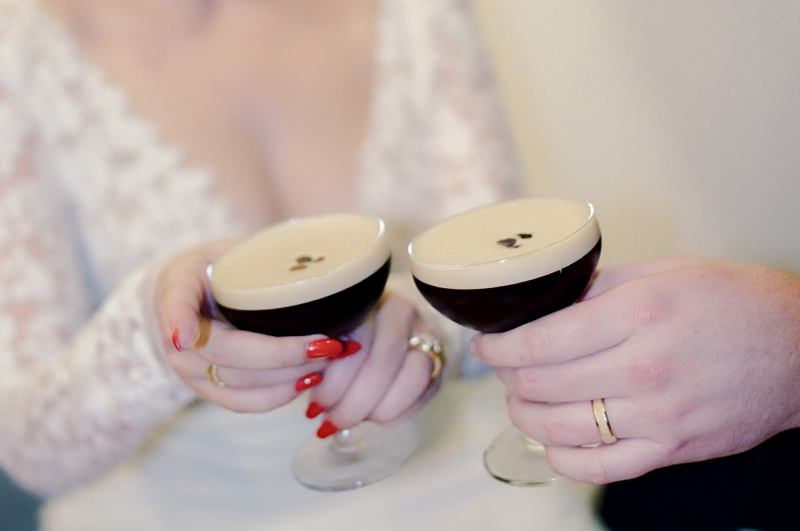
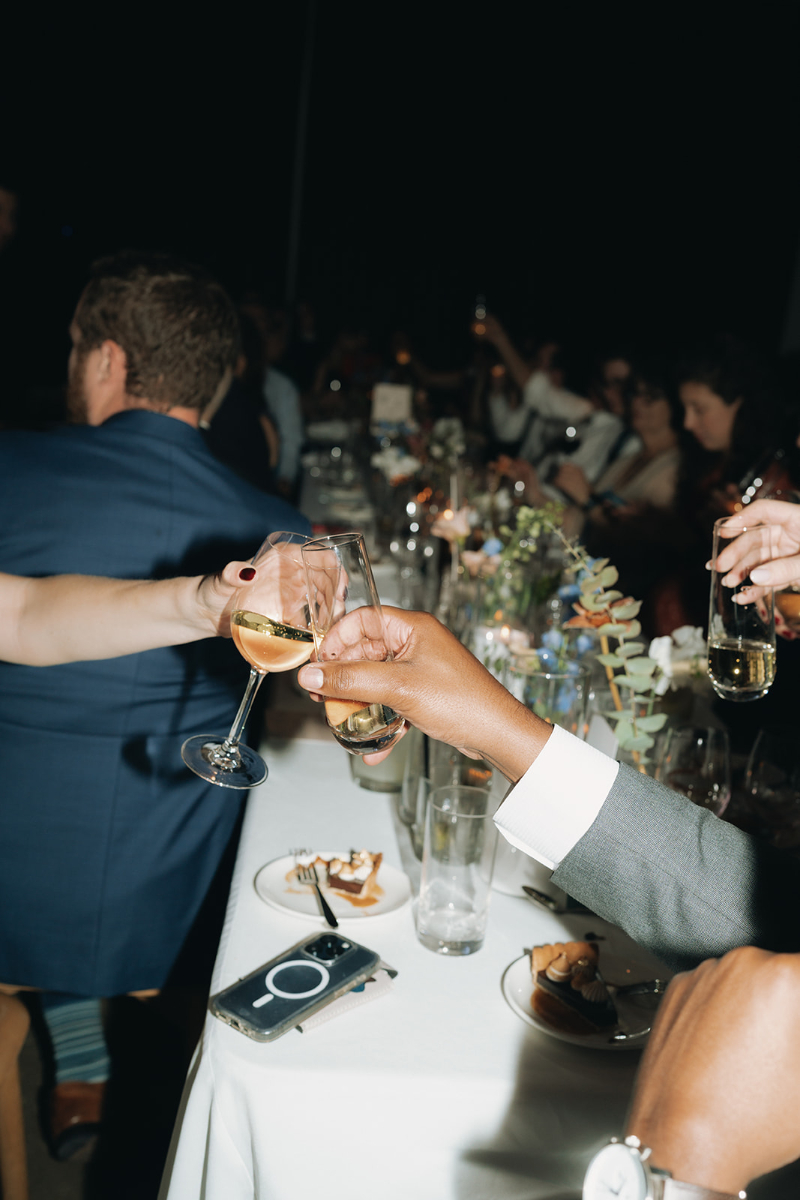
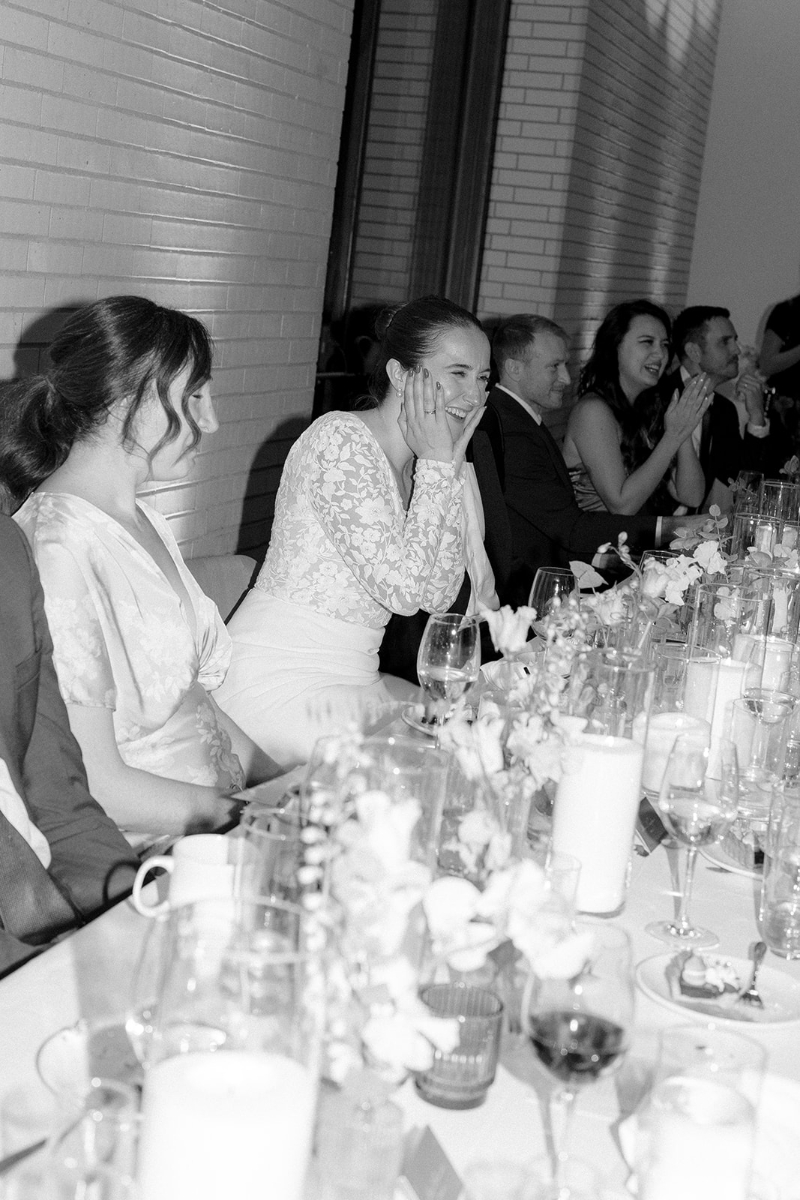
Design Ideas That Start With Feeling, Not a Mood Board
Here’s the exercise I walk every couple through before we talk about a single aesthetic choice.
Close the browser. Put the inspiration folders away. And answer these questions as honestly as you can:
- When guests walk into your ceremony, what’s the first feeling you want them to have?
- What’s the last thing you want them to remember as they leave?
- What’s one word that describes how you want the whole evening to embrace?
- What’s a place, a meal, a moment in your own life together that felt exactly right? What made it feel that way?
The answers are usually more specific than couples expect. Not “elegant” — but “something that felt like it belonged behind a velvet curtain.” Not “modern” — but “the kind of night you stumble into and never want to leave.”
Those descriptions are design briefs. They tell me everything: the lighting direction, the color temperature, the scale of the florals, the energy of the room.
When you reverse-engineer a design concept from emotional goals, the aesthetic becomes a language, not just a collection of things you happened to like. Every decision connects to something real. That’s what makes it feel like you.
Getting to that emotional clarity is the starting point. The next layer is knowing which specific design choices actually deliver on it.
Texture, Layering, and the Details That Make a Wedding Feel High-End
There’s a difference between a beautiful wedding and a designed one. Both can be stunning in photos. Only one feels like something when you’re standing in the room.
The gap between them almost always comes down to layering. Here’s what I mean:
Linen and Textile Choice
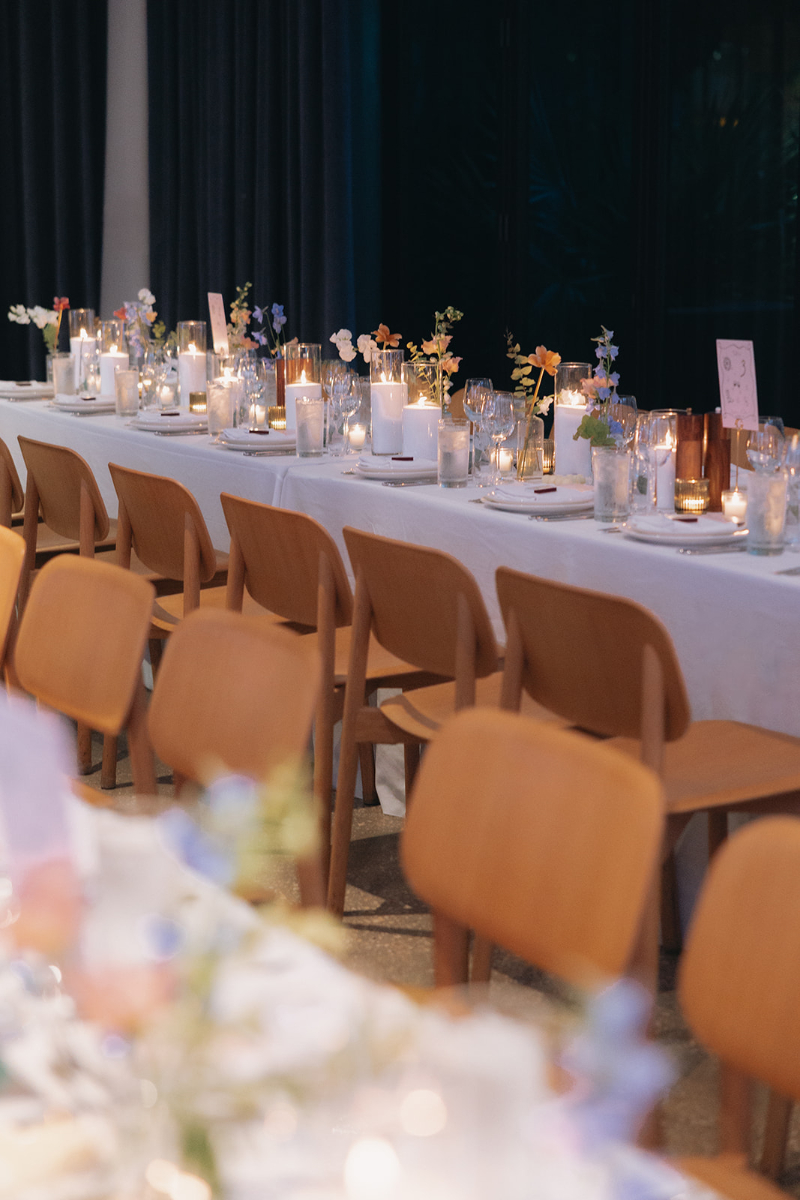
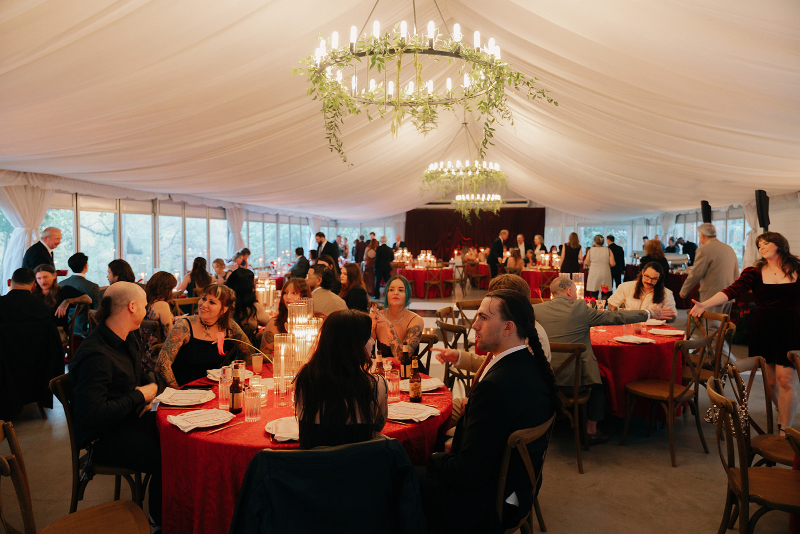
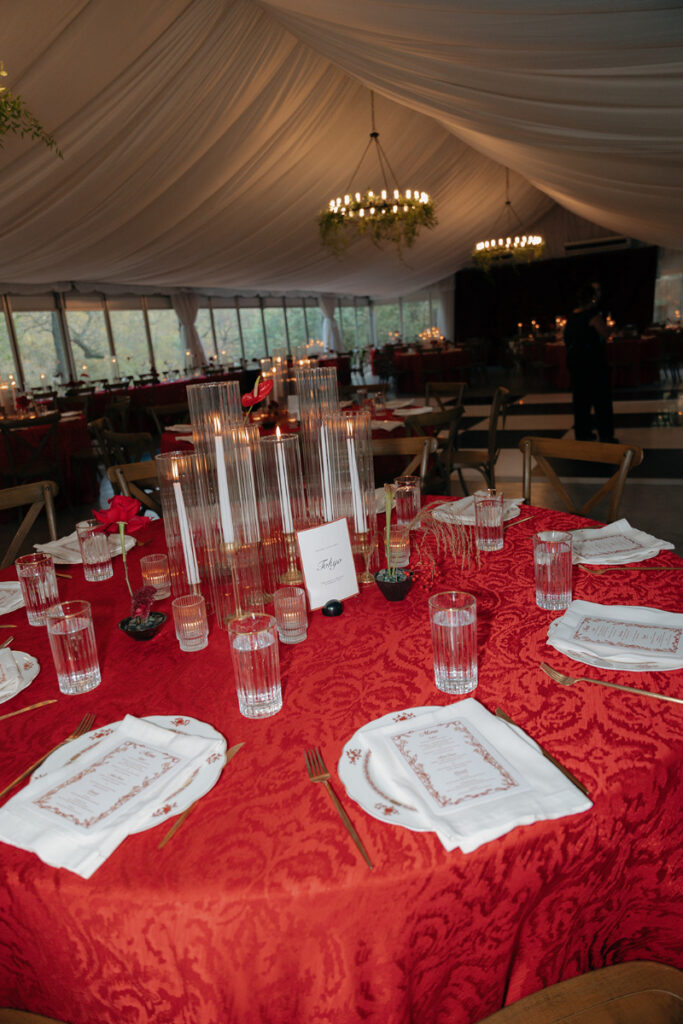
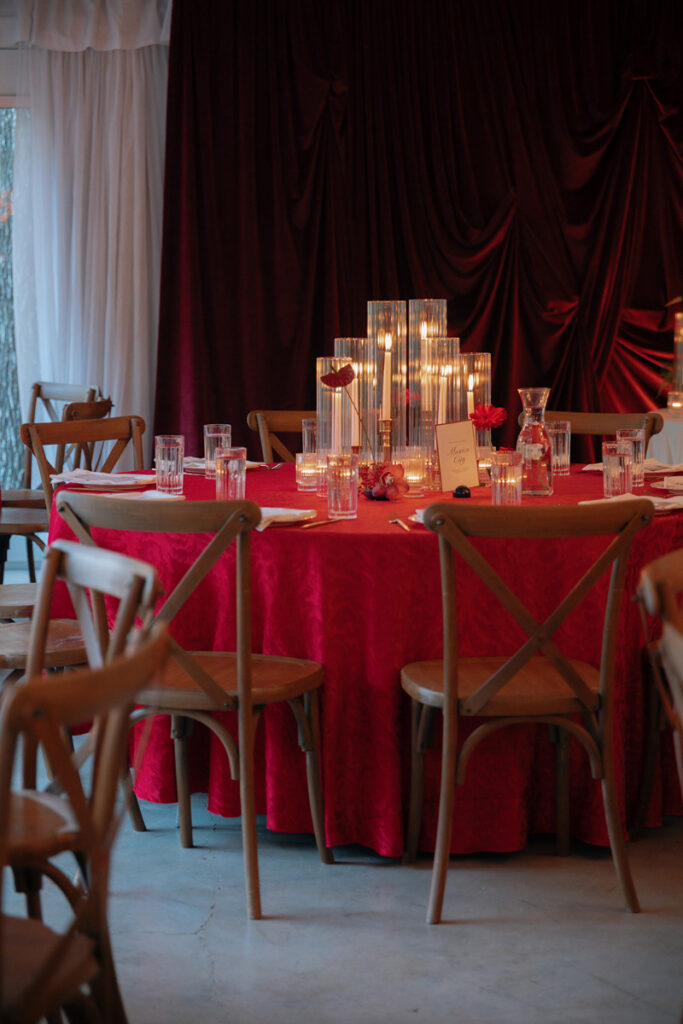
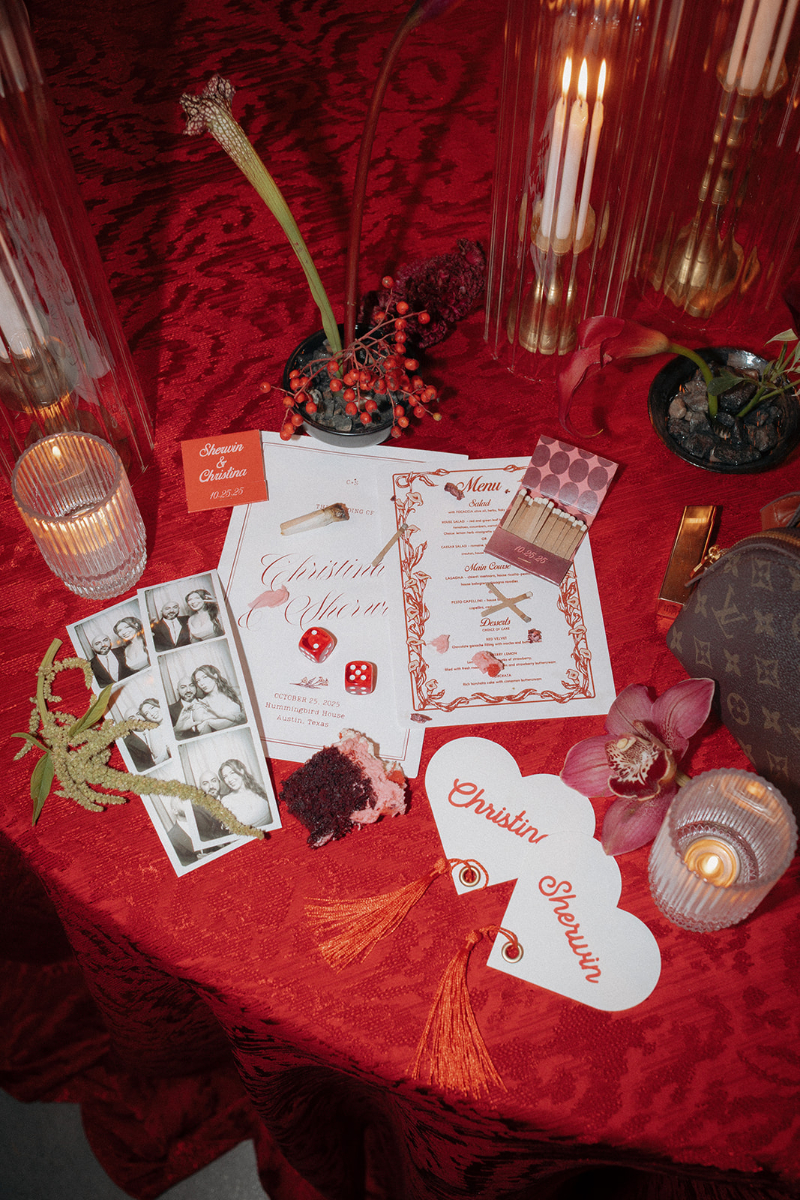
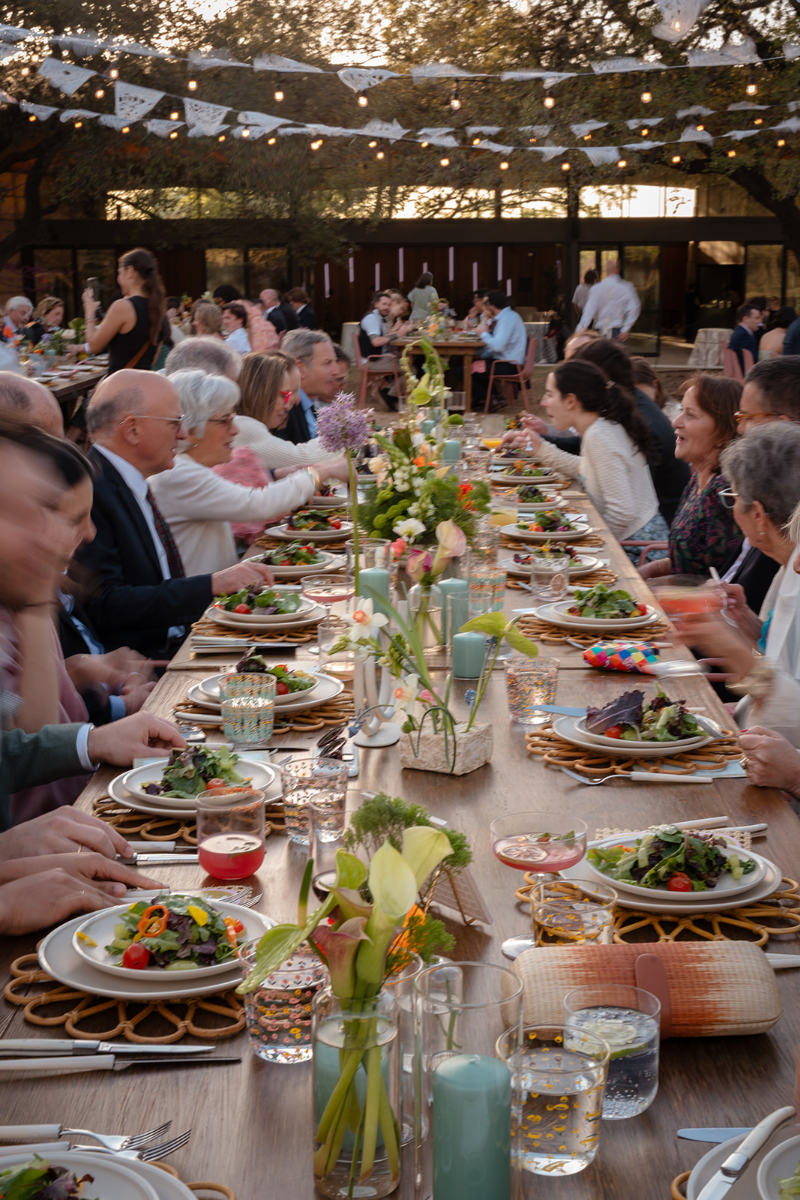
Linen texture is one of the most underestimated design decisions at a wedding. A velvet napkin in a deep moss green reads completely differently than a satin one in the same color. A linen tablecloth with visible texture adds warmth that a pressed polyester cloth can’t. These choices are close. Guests notice them without knowing why.
Candle Placement
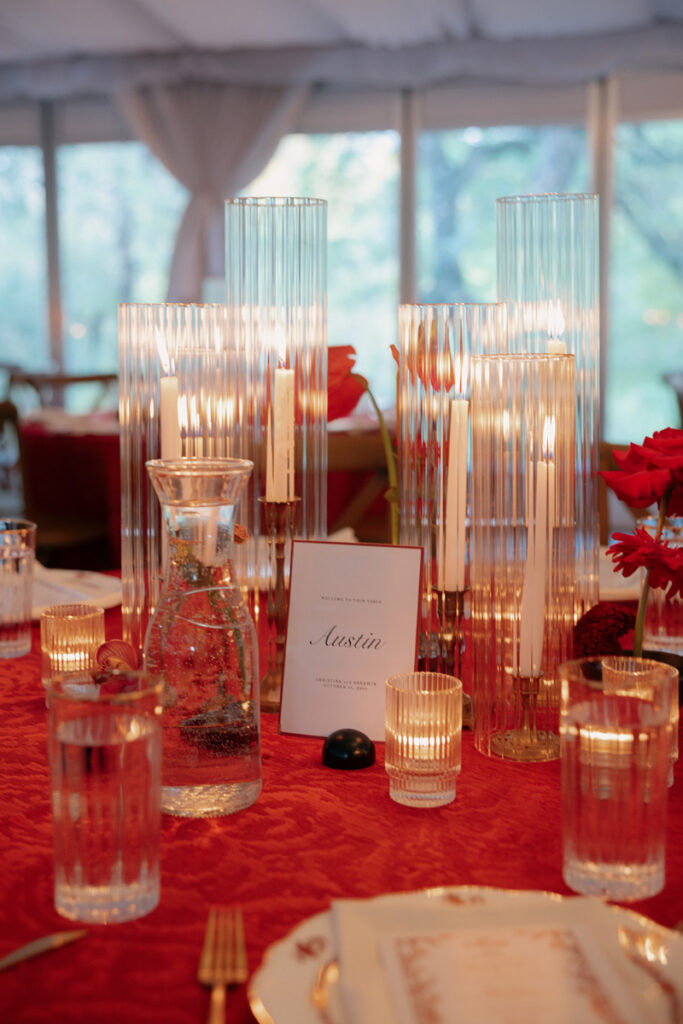
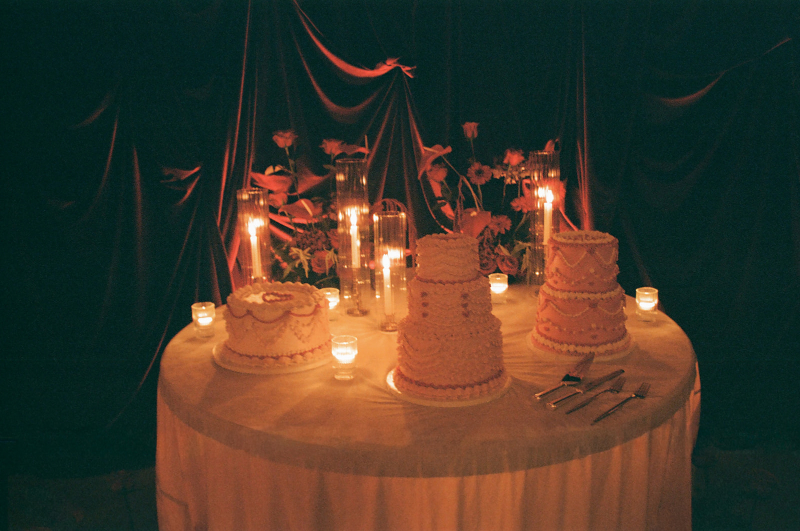
Taper candles aren’t just romantic, they’re architectural. The height, the density, the placement relative to florals and glassware all shape how the table reads. A cluster of tapers at varying heights creates drama. A single short pillar reads casual. Intentional candlescape is one of the fastest ways to elevate a tablescape.
Mixed Metals and Finishes
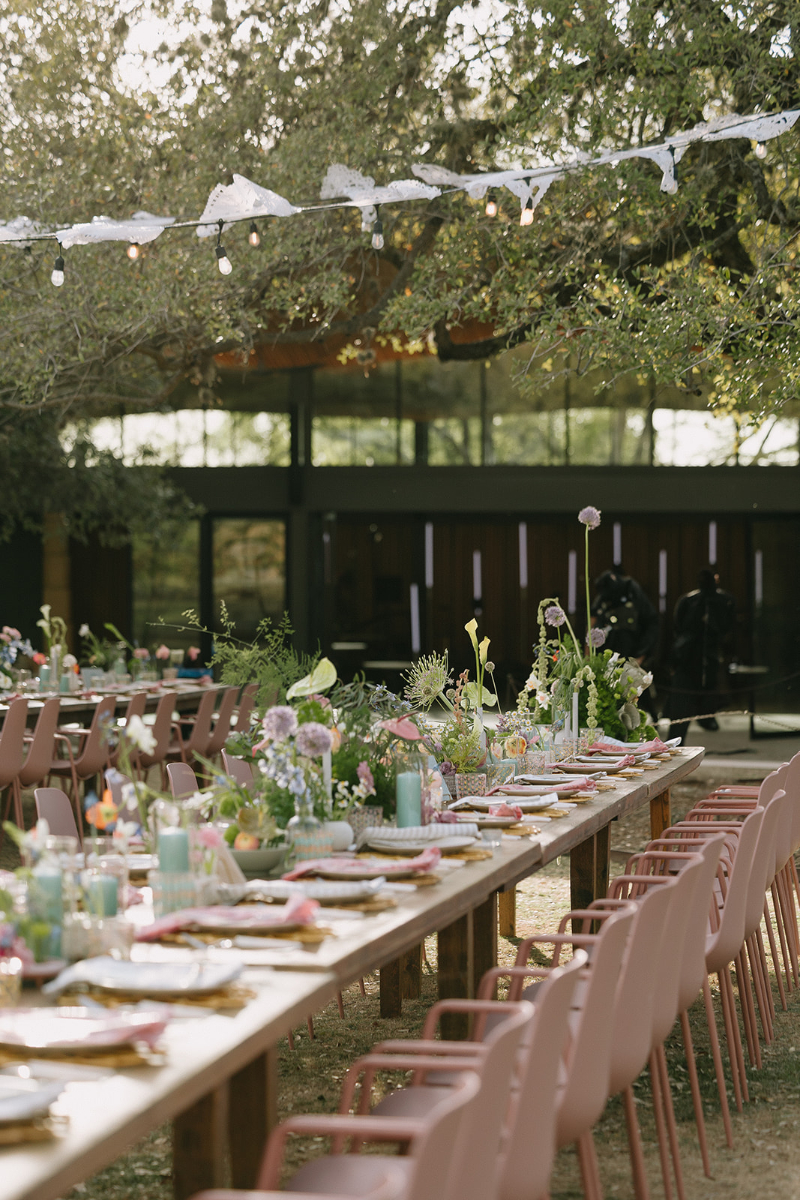
Matching everything is the enemy of a layered design. Mixing warm and cool metals, such as brass candleholders alongside silver flatware, or a gold-toned charger under clear glassware, creates depth. It feels collected rather than purchased as a set. That distinction is what separates designed from decorated.
Sculptural Florals and Negative Space
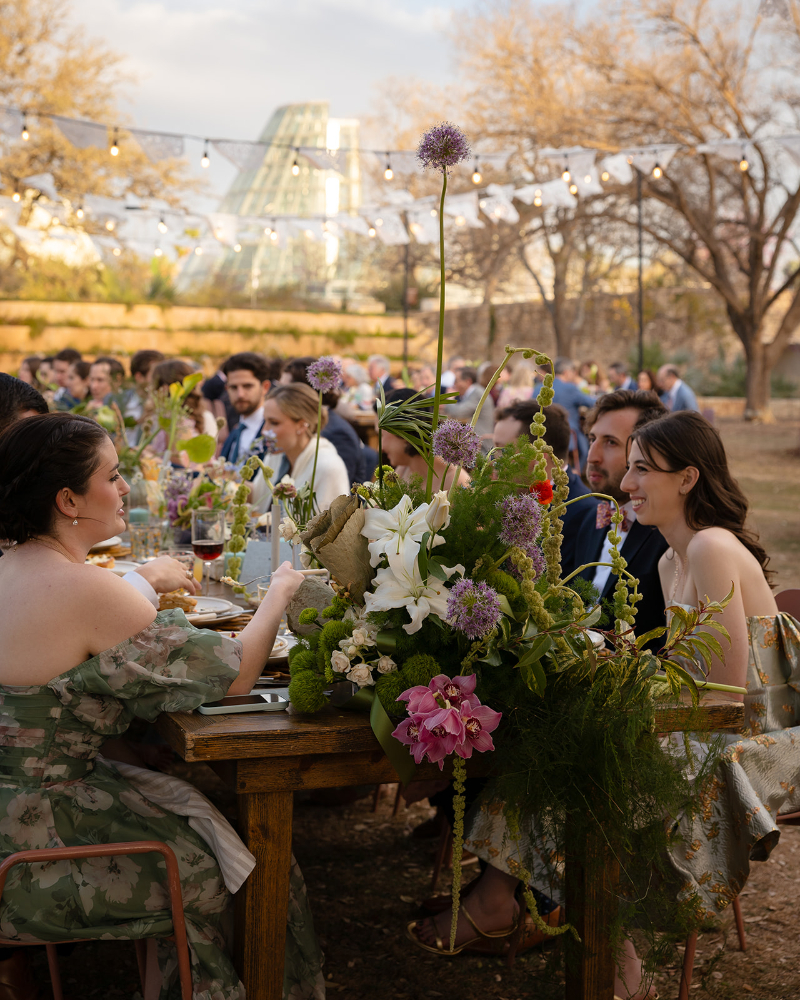
The most memorable floral design I’ve worked on wasn’t the biggest installation. It was the most specific. Knowing where to place something unexpected, a single oversized arrangement against an otherwise spare table, creates more impact than filling every surface. Negative space is a design choice. Use it deliberately.
If you want to go deeper on specific statement design moments, this post on statement wedding decor ideas gets into exactly that.
How to Carry One Design Idea Across Your Entire Wedding Weekend
The strongest wedding design doesn’t live in a single room. It evolves across the whole weekend.
This is one of the things I think about most when I’m designing a wedding. The welcome dinner, the ceremony, the reception, the farewell brunch each should feel like a chapter in the same story. Not identical. Not matchy-matchy. But unmistakably related.
Imagine a couple whose guiding feeling is: warm, lively, like the best dinner party you’ve ever been to. Their design story might unfold like this:
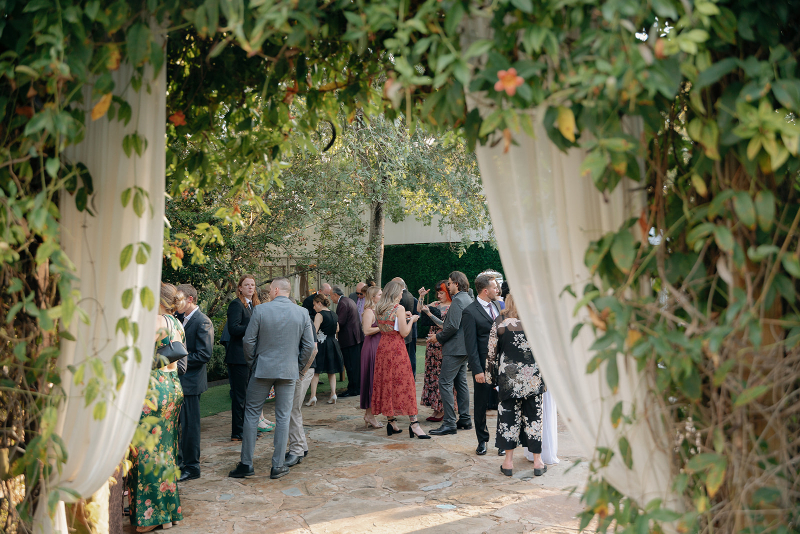
- Welcome dinner: Low-key, candlelit, mismatched vintage glassware on a long communal table. Loose, garden-style florals. Linen napkins tied with ribbon. The energy is relaxed and intimate. Guests arrive as strangers and leave as friends.
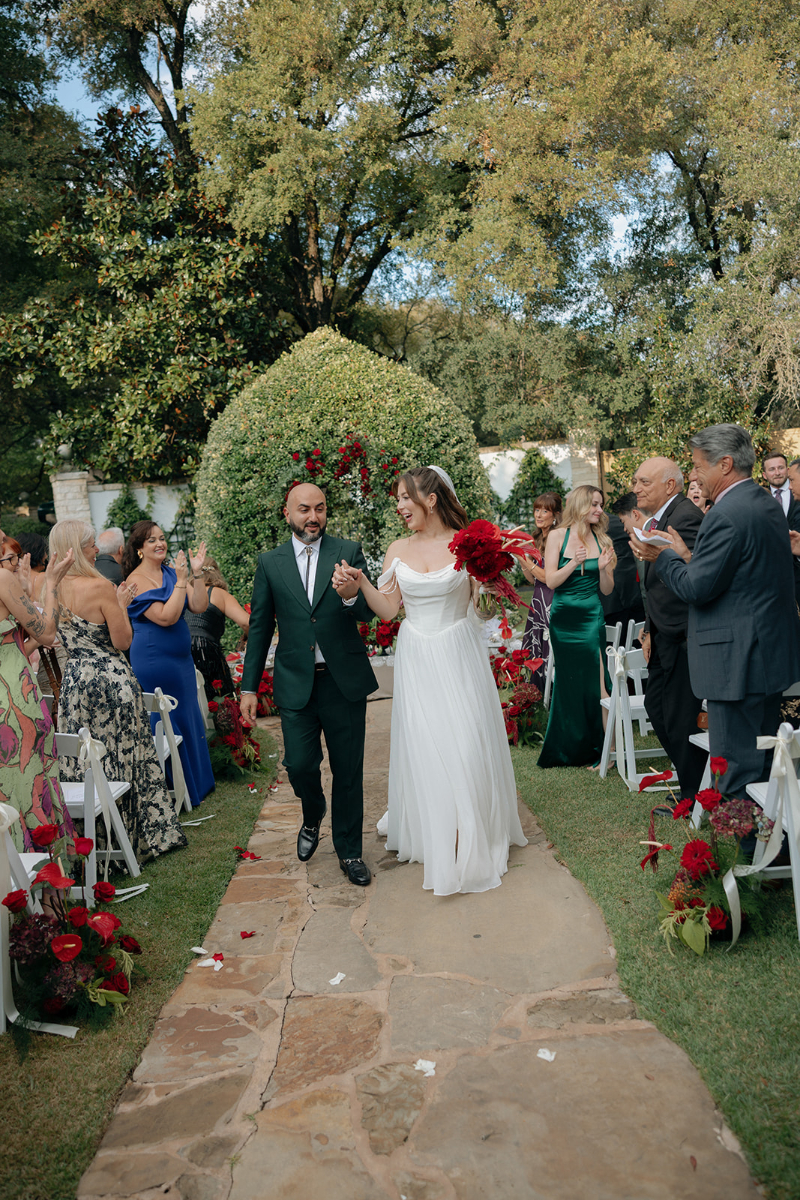
- Ceremony: The warmth stays, but the scale shifts. Abundant florals framing the aisle. Pillar candles in clusters. The same color story, now elevated and ceremony-appropriate.
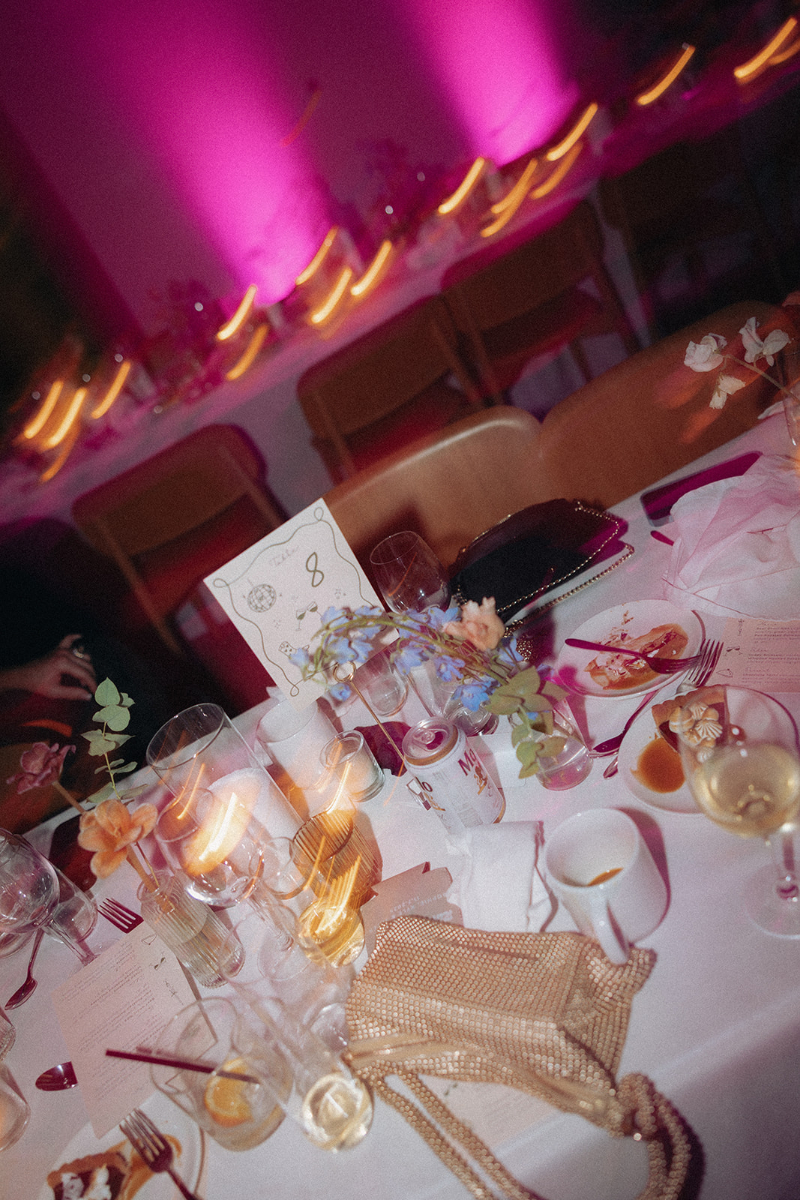
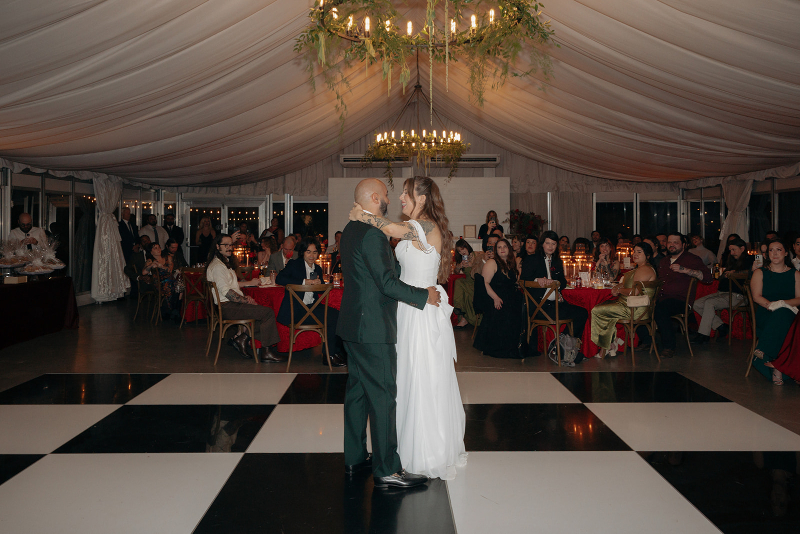
- Reception: The full expression. The table design is richer, the lighting more dramatic, the florals more sculptural. Still warm. Still theirs. But turned up a notch.
- Farewell brunch: The exhale. Simple, beautiful, unhurried. A callback to the intimacy of the welcome dinner. The weekend ends the way it started.
One emotional thread. Four distinct expressions of it. That’s cohesion without repetition.
If you want to see how this kind of weekend arc gets built from the ground up, this post on designing a wedding weekend guests will talk about for years walks through the full process.
What the Best Wedding Design Ideas Have in Common
After years of designing weddings, I’ve noticed a pattern in the ones that really land.
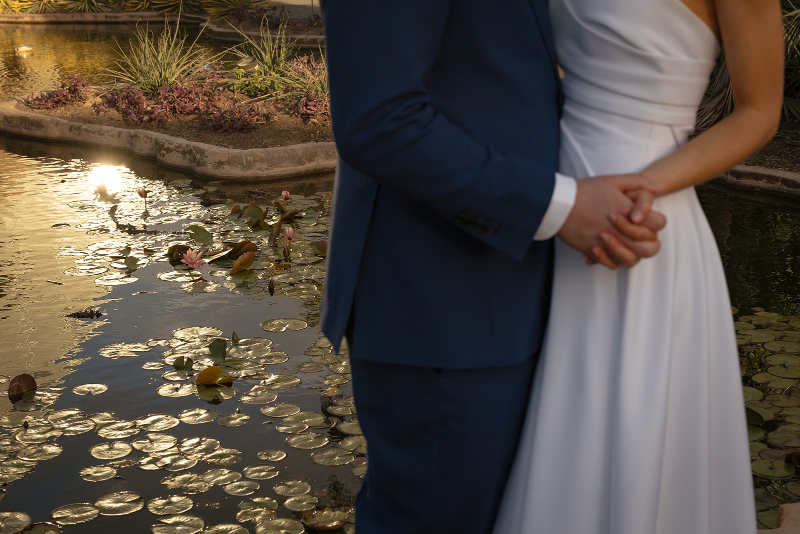
The best wedding design ideas are always specific. Not “warm tones and greenery” but the exact shade of amber that reminds you of the light in that bar you love, paired with wild foliage that reminds you of your favorite trip together. Specificity is what makes something feel personal instead of generic.
They’re rooted in the couple’s actual personality and story. The couples whose weddings I’m most proud of are the ones where you could walk into the room and know, without meeting them, that two very specific people got married here.
And they always prioritize how the room feels over how it photographs. The best wedding design ideas are experiential first. The photos are a record of the experience, not the point of it.
That last principle connects directly to guest experience. Design and guest experience aren’t separate categories. They’re the same thing, looked at from different angles. This post on guest experience as a design strategy makes that connection explicit.
The question isn’t what looks good. It’s what feels true.
What Working With a Design-Forward Planner Looks Like
If you read this post and recognized yourself in it, if you care about the feeling more than the photo, if you want a design that’s unmistakably yours, this is where I come in.
Working with a design-forward planner means the creative process starts on day one. Not after the venue is booked and the budget is set. From the first conversation, I’m listening for the things that make you specific: how you live, what you love, what you want the people in that room to leave remembering. Everything we build comes from that.
During our time planning, you’ll receive:
- A design dossier with 3D mockups that captures your aesthetic language
- Vendor curation based on who will execute that vision
- A cohesive design story that runs from welcome dinner through farewell brunch
- Someone in your corner who has opinions, offers direction, and pushes the work somewhere more interesting
If that’s what you’re looking for, I’d love to hear about your vision. Reach out here and tell me what you’re dreaming about.
And follow along on Instagram for a behind-the-scenes look at how I translate those conversations into design.
Photos by:

